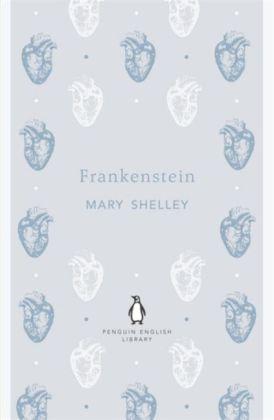

Mary Shelley (1797–1851) was an English novelist best known for her groundbreaking work "Frankenstein; or, The Modern Prometheus," published in 1818. This novel is often credited with founding the science fiction genre and explores themes such as the nature of creation, the consequences of unchecked ambition, and the quest for knowledge.
Shelley was born to notable thinkers: her mother, Mary Wollstonecraft, was a feminist philosopher and author of "A Vindication of the Rights of Woman," while her father, William Godwin, was a political philosopher. Her early life was marked by tragedy, including the loss of her mother shortly after her birth and the deaths of several of her children.
In 1816, during a summer spent in Geneva with her future husband, the poet Percy Bysshe Shelley, Lord Byron, and others, a challenge to write a ghost story led to the conception of "Frankenstein." The novel has since become a classic, inspiring numerous adaptations and interpretations in literature, film, and popular culture.
Shelley's other works include "The Last Man" (1826), a dystopian novel set in a future where humanity faces extinction, and "Mathilda" (1819), a semi-autobiographical novella. Throughout her life, she faced personal hardships, including the deaths of her husband and several close friends, yet she continued to write and publish.
Mary Shelley’s contributions extend beyond her fiction; she was a significant figure in the Romantic literary movement and an influential thinker regarding human rights and social issues. Her legacy endures, as "Frankenstein" remains a powerful commentary on the ethical implications of scientific advancement and the nature of humanity.
One of the BBC's '100 Novels That Shaped Our World'The Penguin English Library Edition of Frankenstein by Mary Shelley...
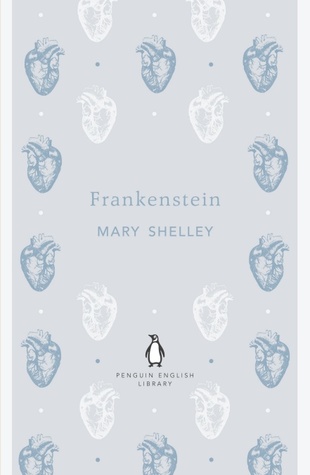
One of the BBC's '100 Novels That Shaped Our World'The Penguin English Library Edition of Frankenstein by Mary Shelley'N...