
Yukio Mishima (1925–1970) was a prominent Japanese author, playwright, and nationalist known for his complex and often controversial works that explore themes of beauty, death, and the tension between traditional Japanese culture and modernity. His real name was Kimitake Hiraoka, and he adopted the pen name Yukio Mishima in the 1940s.
Mishima is best known for novels such as "Confessions of a Mask" ("Kamen no Kokuhaku"), which reflects his struggles with identity and sexuality, and "The Temple of the Golden Pavilion" ("Kinkaku-ji"), a meditation on beauty and the destructive nature of obsession. His writing style is characterized by lyrical prose and a keen focus on psychological depth.
In addition to his literary accomplishments, Mishima was deeply interested in the idea of the samurai ethos and Japanese nationalism. He was often at odds with the post-war Japanese society, which he viewed as too Westernized and materialistic. This dichotomy between his literary pursuits and his political beliefs culminated in his dramatic and ritualistic death by seppuku (a form of ritual suicide) in 1970 after a failed coup attempt to restore the power of the Japanese Emperor.
Mishima's life and work remain subjects of fascination and debate, often viewed through lenses of aesthetics, politics, and psychology. His legacy continues to influence Japanese literature and culture, as well as global discussions on the nature of identity and art.
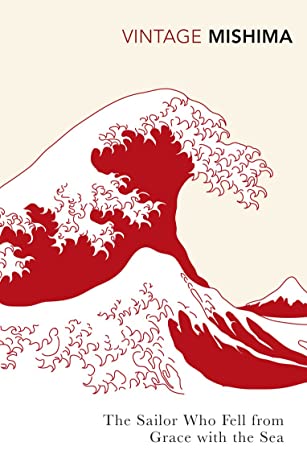
THE SAILOR WHO FELL FROM GRACE WITH THE SEA tells of a band of savage thirteen-year-old boys who reject the adult world...