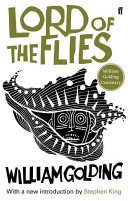

William Golding (1911–1993) was a British novelist, playwright, and poet best known for his debut novel, "Lord of the Flies," published in 1954. The book tells the story of a group of boys stranded on an uninhabited island and explores themes of civilization, human nature, and the loss of innocence. It has become a classic of modern literature and is frequently studied in schools.
Golding's writing often examined the dark aspects of human nature and the conflicts between civilization and savagery. In addition to "Lord of the Flies," he wrote several other notable novels, including "The Inheritors," "Pincher Martin," and "Free Fall." His later works include "The Spire," "Darkness Visible," and "The Paper Menagerie."
In 1983, Golding was awarded the Nobel Prize in Literature for his body of work, which was said to illuminate the condition of humanity. His experiences in World War II, particularly his service in the Royal Navy, had a profound influence on his writing and themes. Golding's exploration of morality, ethics, and the complexities of human behavior continues to be relevant and impactful.
Since it was first published in 1954, William Golding's classic debut novel has remained a stark allegory of civilizati...
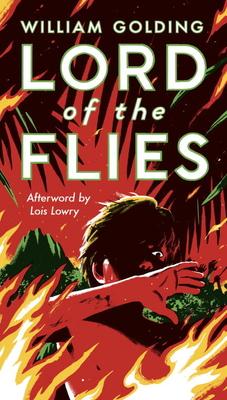
Before The Hunger Games there was Lord of the Flies Lord of the Flies remains as provocative today as when it was first...
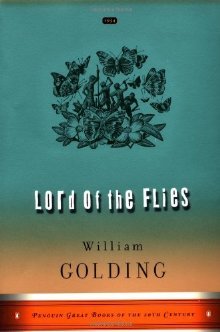
Lord of the Flies remains as provocative today as when it was first published in 1954, igniting passionate debate with i...