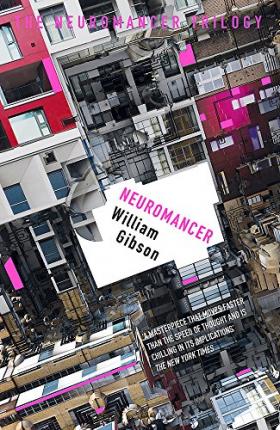

William Gibson is a renowned American-Canadian author known for his works in the science fiction genre, particularly for pioneering the cyberpunk subgenre. His novel "Neuromancer," published in 1984, is one of his most famous works and is often credited with popularizing concepts like cyberspace, artificial intelligence, and virtual reality. Gibson's writing often explores the intersection of technology, society, and human experience, envisioning futures that reflect contemporary social issues.
In addition to "Neuromancer," Gibson has written several other novels, including "Count Zero," "Mona Lisa Overdrive," and more recent works like "Pattern Recognition," "Spook Country," and "Zero History." His style is characterized by dense prose, intricate plotting, and a keen insight into the cultural implications of technology.
Gibson's influence extends beyond literature; he has inspired filmmakers, game designers, and various creators in popular culture. His visions of a technologically advanced yet dystopian future continue to resonate in today's discussions about technology and its impact on humanity.
The Hugo, Nebula and Philip K. DIck Award-winning novel that defined the Cyberpunk movement. The Matrix is a world withi...

"ONE OF THE MOST VISIONARY, ORIGINAL, AND QUIETLY INFLUENTIAL WRITERS CURRENTLY WORKING"* returns with a sharply imagine...
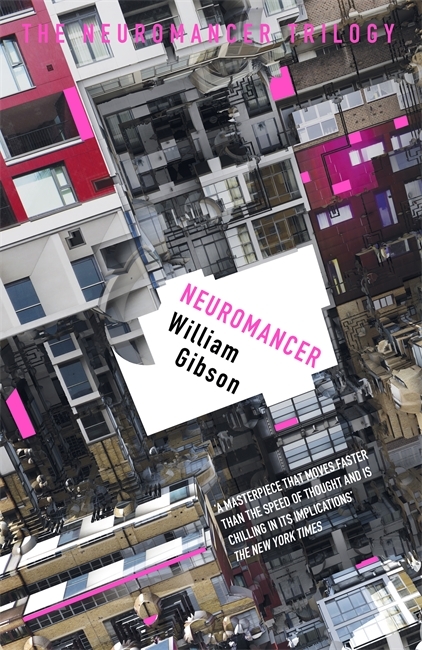
The book that defined the cyberpunk movement, inspiring everything from The Matrix to Cyberpunk 2077. The sky above the...