
Stanislaw Lem (1921–2006) was a Polish writer, philosopher, and futurist, best known for his contributions to science fiction. His works often explored complex themes ranging from the nature of consciousness and the limits of human knowledge to the impact of technology on society. Some of his most famous works include:
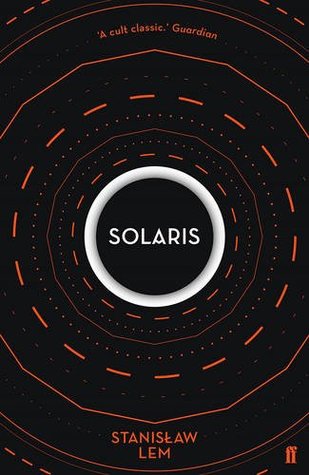
Solaris (1961) - A novel that portrays the psychological and existential challenges faced by a group of scientists studying a mysterious oceanic planet. The story delves into themes of communication, the unknowable aspects of alien intelligence, and the nature of human experience.
The Cyberiad (1965) - A collection of stories that center around two intelligent robots, Trurl and Klapaucius, and their adventures. The stories combine humor with philosophical reflections on technology, creativity, and the nature of intelligence.
Dialogue with the Main Character (1979) - A philosophical inquiry that presents an imaginary conversation between Lem and the protagonists of his works, reflecting on themes of narrative, authorship, and the relationship between fiction and reality.
Fiasco (1986) - This novel examines a failed mission to establish communication with an alien civilization, raising questions about the limits of human understanding and the moral implications of first contact.
In addition to his fiction, Lem wrote extensively on philosophy and technology, including essays and critiques of science and literature. His influence extends beyond literature, inspiring thinkers in fields such as artificial intelligence, cybernetics, and the philosophy of mind. Lem's unique blend of speculative fiction, deep philosophical inquiry, and social commentary has cemented his status as one of the most significant science fiction writers of the 20th century.
When Kris Kelvin arrives at the planet Solaris to study the ocean that covers its surface he is forced to confront a pai...