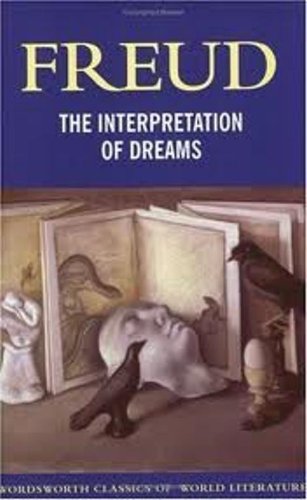
Sigmund Freud (1856–1939) was an Austrian neurologist and the founder of psychoanalysis, a clinical method for treating psychopathology through dialogue between a patient and a psychoanalyst. Freud's theories and concepts, such as the unconscious mind, defense mechanisms, and the Oedipus complex, have had a profound influence on psychology, literature, and the arts.
Some of his most notable contributions include:
-
The Unconscious Mind: Freud proposed that a significant portion of human thought and behavior is influenced by unconscious processes. He suggested the mind can be divided into the conscious, preconscious, and unconscious.
-
Psychoanalytic Technique: Freud developed methods such as free association, dream analysis, and transference to explore the unconscious thoughts of patients.
-
Personality Structure: Freud formulated a model of the psyche, dividing it into three parts: the id (instinctual drives), the ego (rational thought and reality), and the superego (moral standards).
-
Child Development: He outlined stages of psychosexual development, arguing that early childhood experiences shape adult personality and behavior.
-
Dream Interpretation: Freud viewed dreams as a window into the unconscious mind, suggesting they are the "royal road" to understanding repressed desires.
While Freud's theories have been foundational, they have also faced criticism and undergone modifications over time. Subsequent psychological models have built on, deviated from, or challenged his ideas. Despite this, Freud's influence persists in various fields, including psychology, literature, and cultural studies.