
Saint Augustine of Hippo (354–430 AD) is one of the most significant figures in Western Christianity and philosophy. He was a theologian, philosopher, and bishop whose writings influenced Christian doctrine and Western philosophy. His notable works include:
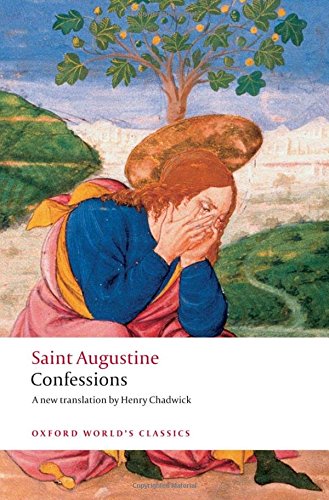
Confessions: An autobiographical work that details Augustine's conversion to Christianity, his struggles with sin, and his quest for truth. It is one of the first examples of autobiography in Western literature.
City of God: A response to the decline of the Roman Empire and critiques paganism. Augustine contrasts the "City of God" (the eternal spiritual realm) with the "City of Man" (temporal and sinful human society).
On Christian Doctrine: This work addresses how to interpret and teach the Christian faith, emphasizing the importance of love as the fulfillment of God’s law.
Key themes in Augustine's thought include:
Saint Augustine is considered a Doctor of the Church and is venerated as a saint in both the Catholic Church and the Orthodox Christian tradition. His thoughts laid the groundwork for medieval theology and greatly influenced later Christian thinkers, including Martin Luther and John Calvin.
In his own day the dominant personality of the Western Church, Augustine of Hippo today sta...
In this new translation the brilliant and impassioned descriptions of Augustine's colourful early life are conveyed to t...