
Philip G. Zimbardo is an American psychologist and professor emeritus at Stanford University, best known for his research on social psychology. He is particularly famous for the Stanford prison experiment conducted in 1971, which examined the psychological effects of perceived power and the struggle between prisoners and prison guards. The experiment raised ethical concerns and highlighted how situational factors can influence human behavior.
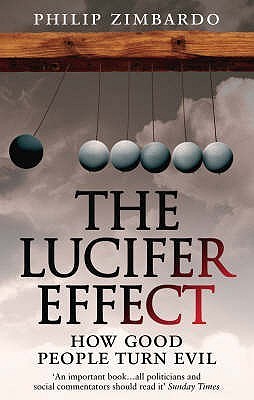
Zimbardo has also contributed to the understanding of time perspective, self-socialization, and the psychology of evil. Throughout his career, he has published numerous articles and books, including "The Lucifer Effect: Understanding How Good People Turn Evil," in which he explores how situational context can lead individuals to engage in immoral behaviors.
In addition to his academic work, Zimbardo has been involved in various public speaking engagements and has advocated for psychological research and education. His work has had a lasting impact on psychology, particularly in the areas of conformity, authority, and moral decision-making.
"In The Lucifer Effect, the award-winning and internationally respected psychologist, Philip Zimbardo, examines how the...