Peter F. Drucker (1909–2005) was an influential Austrian-born American management consultant, educator, and author, widely regarded as the father of modern management theory. His work has had a profound impact on how organizations and businesses are managed today.
Drucker introduced a variety of concepts and practices in management, many of which are foundational to contemporary business thinking. Some of his key contributions include:
-
Management by Objectives (MBO): Drucker emphasized the importance of defining specific objectives and involving employees in the goal-setting process to improve performance and accountability.
-
Decentralization: He advocated for decentralization within organizations, allowing for more autonomous decision-making at various levels to foster innovation and responsiveness.
-
Knowledge Work: Drucker was one of the first to recognize the growing importance of knowledge workers in the economy, emphasizing that they are critical to organizational success.
-
Customer Focus: He argued that the primary purpose of a business is to create and satisfy a customer, which has become a cornerstone of modern business strategy.
-
Social Responsibility: Drucker believed that businesses have a responsibility to their employees, customers, and society, and that ethical considerations should be integral to business practices.
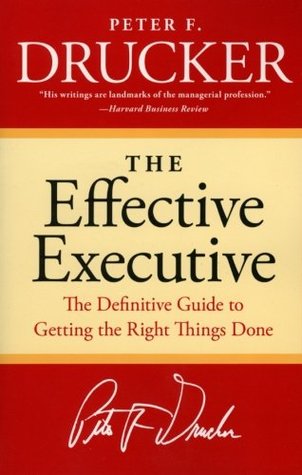
Drucker authored numerous books and articles, with notable titles including "The Practice of Management," "The Effective Executive," and "Innovation and Entrepreneurship." His ideas continue to be taught in business schools and practiced by managers around the world.
Drucker's holistic view of management as a discipline that combines social, economic, and technological elements remains highly relevant today, and his legacy continues to influence leaders across various fields.