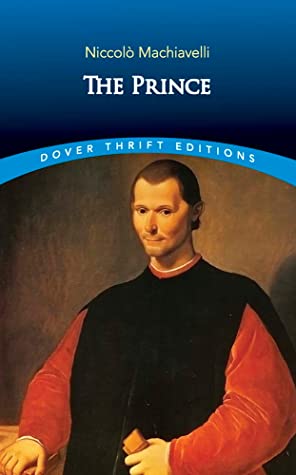
Niccolò Machiavelli was an Italian political philosopher, historian, diplomat, and playwright, best known for his work "The Prince," written in 1513 and published posthumously in 1532. He is often regarded as one of the key figures in modern political philosophy and is sometimes considered the father of modern political science.
Key Points about Machiavelli:
-
Historical Context: Machiavelli lived during a tumultuous period in Italy, characterized by political instability, warfare, and the fragmentation of the Italian city-states. His experiences as a diplomat and government official in Florence deeply influenced his thoughts on power and governance.
-
The Prince: "The Prince" is a treatise that offers pragmatic advice on how rulers can gain and maintain power. It emphasizes the sometimes amoral and pragmatic nature of politics, suggesting that the ends often justify the means. It famously includes the notion that it is better for a ruler to be feared than loved if he cannot be both.
-
Political Realism: Machiavelli is known for his shift away from the idealistic views of governance that were common in medieval political thought. Instead, he focused on the realities of political power and human behavior, which marks the emergence of political realism.
-
Machiavellianism: The term "Machiavellian" has come to describe a political strategy that is cunning, scheming, and often unscrupulous. It suggests a pragmatic, ruthless pursuit of power, sometimes disregarding morality.
-
Other Works: In addition to "The Prince," Machiavelli wrote other significant works, including "Discourses on Livy," which contrasts republican governance with principality and explores the structure and benefits of republican systems.
-
Legacy: Machiavelli's ideas have had a lasting impact on political theory and practice, influencing various fields including political science, philosophy, and even literature. His thoughts on power dynamics, leadership, and the nature of politics remain relevant in contemporary discussions.
-
Philosophical Themes: His work often explores themes such as virtue, fortune, the nature of power, morality in governance, and the relationship between the ruler and the ruled.
Machiavelli continues to spark debate among scholars and political leaders about the ethics of leadership and the nature of power in society.