

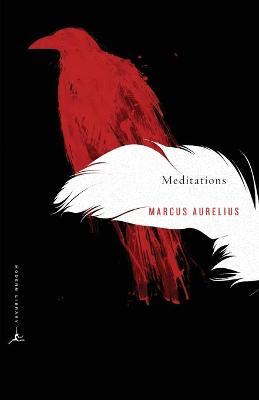
Marcus Aurelius (121-180 AD) was a Roman Emperor and Stoic philosopher, best known for his work "Meditations," which is a series of personal writings reflecting his philosophical thoughts and reflections on life, duty, and the nature of the universe. As a Stoic, he emphasized the importance of virtue, reason, and self-control, believing that individuals should accept the things they cannot change and focus on their own responses and actions.
Aurelius became emperor in 161 AD and ruled during a time of relative stability, though he faced significant challenges, including military conflicts and internal strife. His leadership is often characterized by his commitment to duty and the welfare of the Roman people.
"Meditations" remains a significant text in philosophy and is widely read today for its insights into resilience, leadership, and the human condition. Marcus Aurelius is often regarded as one of the "Five Good Emperors" of Rome, noted for his philosophical approach to governance and life.
A new translation, with an Introduction, by Gregory Hays Marcus Aurelius Antoninus (a.d. 121–180) succeeded his adoptiv...
A deluxe special edition of the ancient classic written by the Roman Emperor known as “The Philosopher” Meditations is...
A new translation of the philosophical journey that has inspired luminaries from Matthew Arnold to Bill Clinton in a bea...
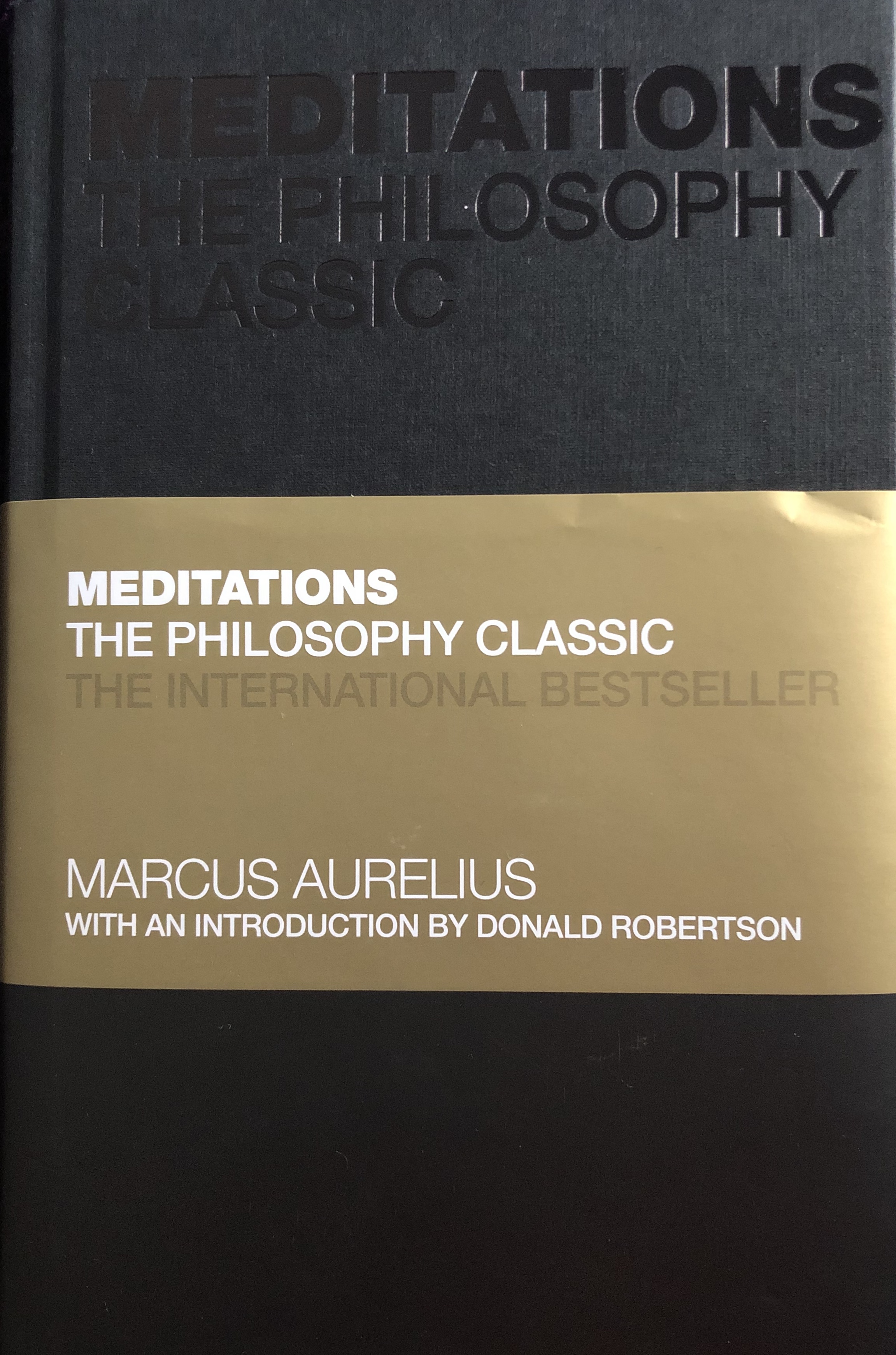
A deluxe special edition of the ancient classic written by the Roman Emperor known as “The Philosopher” Meditations is a...