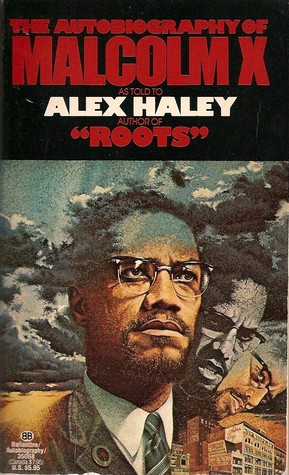
Malcolm X, born Malcolm Little on May 19, 1925, in Omaha, Nebraska, was a prominent African American leader and civil rights activist known for his advocacy for the rights of Black people and his critique of racism in America. He grew up in a troubled environment; after his father's murder and his mother's institutionalization, he experienced a difficult childhood that led to incarceration in his teenage years.
While in prison, he became involved with the Nation of Islam (NOI), a religious and cultural movement that promoted Black self-determination and advocated for the separation of Black Americans from white society. Upon his release, he quickly rose to prominence as a spokesperson for the NOI, known for his eloquent speeches and powerful rhetoric.
Malcolm X's philosophy initially emphasized Black nationalism and self-defense, often contrasting with the nonviolent approach of other civil rights leaders, such as Martin Luther King Jr. In the early 1960s, he became increasingly critical of the Nation of Islam and its leader, Elijah Muhammad, leading to his departure from the organization in 1964. Following his break with the NOI, Malcolm X embarked on a pilgrimage to Mecca, where he had a transformative experience that broadened his views on race and religion.
Afterward, he founded the Organization of Afro-American Unity and continued to speak out against systemic racism, oppression, and the need for global solidarity among oppressed people. He emphasized human rights and sought to address issues affecting all marginalized communities.
Malcolm X was assassinated on February 21, 1965, while preparing to give a speech in New York City. His legacy continues to influence movements for social justice, racial equality, and civil rights in the United States and around the world. He is often remembered for his advocacy for self-empowerment, education, and the right to self-defense. His autobiography, co-written with journalist Alex Haley, remains a seminal work in American literature and activism.