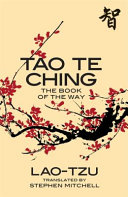

Laozi, also known as Lao Tzu, is an ancient Chinese philosopher and writer, traditionally regarded as the founder of Daoism (Taoism) and the author of the "Tao Te Ching" (Dao De Jing), a fundamental text of Daoist philosophy. His life is often shrouded in legend, with the most prominent accounts suggesting he lived during the 6th century BCE, although some scholars propose he may have lived later.
Laozi's teachings emphasize living in harmony with the Dao (Tao), often translated as "the Way." The Dao represents the fundamental nature of the universe and natural order, which Laozi believed individuals should align themselves with to achieve balance and tranquility. Key themes in his philosophy include simplicity, humility, compassion, and the importance of spontaneity and naturalness.
The "Tao Te Ching" consists of 81 short chapters and covers a wide range of topics, advocating for a naturalistic approach to life and governance. Laozi's influence extends beyond Daoism; his ideas have impacted Chinese Buddhism, Confucianism, and various aspects of Chinese culture and beyond, continuing to attract interest and interpretation in modern times.
The most widely translated work in world literature after the Bible, Tao Te Ching or The Bo...