

Jules Verne (1828–1905) was a French novelist, poet, and playwright, considered one of the fathers of science fiction. His works are characterized by a deep fascination with exploration, technology, and adventure. Some of his most famous novels include:
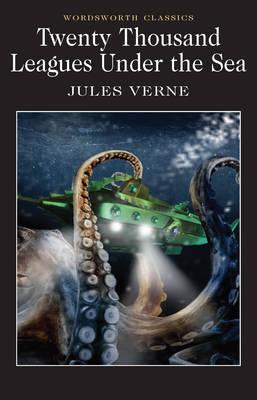
"Twenty Thousand Leagues Under the Sea" (1870) - This novel follows the journey of Captain Nemo aboard the submarine Nautilus as he explores the oceans of the world.
"Journey to the Center of the Earth" (1864) - This story depicts an expedition led by Professor Lidenbrock as he seeks to find a passage to the Earth's core through Iceland.
"Around the World in Eighty Days" (1872) - Phileas Fogg wagers he can circumnavigate the globe in just 80 days, leading to a series of adventures and challenges.
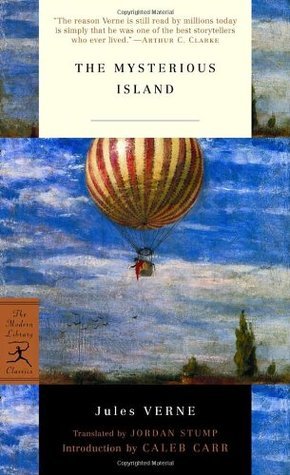
"The Mysterious Island" (1874) - This novel tells the story of a group of castaways who create a new life on an uncharted island, filled with natural wonders and dangers.
"From the Earth to the Moon" (1865) - In this tale, a group of American Civil War veterans builds a giant cannon to launch themselves to the moon.
Verne's works often included detailed scientific explanations and predictions about future technology, reflecting his belief in progress and exploration. His influence can be seen in countless works of literature, film, and pop culture, making him a pillar of modern science fiction.
With an exclusive introduction and notes by David Stuart Davies. Translation by Louis Mercier. Professor Aronnax, his fa...
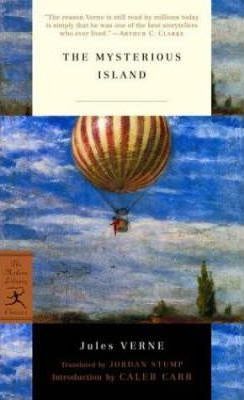
Based on the true story of Alexander Selkirk, who survived alone for almost five years on an uninhabited island off the...
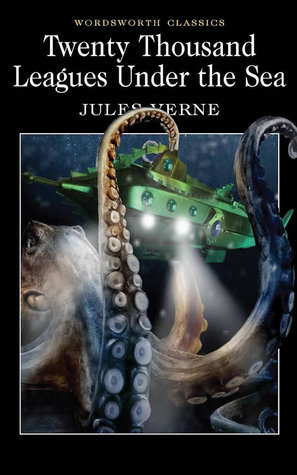
With an exclusive introduction and notes by David Stuart Davies. Translation by Louis Mercier. Professor Aronnax, his fa...