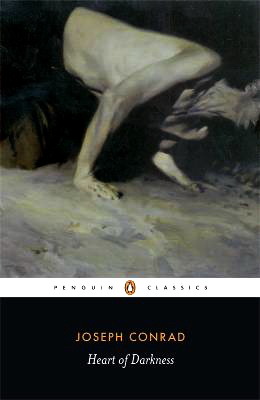
Joseph Conrad was a Polish-British author born on December 3, 1857, in Berdychiv, then part of the Russian Empire (now in Ukraine), and he died on August 3, 1924, in Kent, England. He is best known for his novels and short stories that often explore complex themes of colonialism, human nature, and moral ambiguity.
Conrad's literary career began relatively late in his life, as he initially worked as a sailor before turning to writing. He wrote in English, despite it being his third language, and his works display a deep understanding of the psychological and existential struggles faced by individuals.
Some of his most notable works include:
-
Heart of Darkness (1899): A novella that explores European imperialism and the darkness within humanity, following the journey of Charlie Marlow into the Congo River basin.
-
Lord Jim (1900): A novel about a young sailor who is haunted by a moment of cowardice and seeks redemption.
-
Nostromo (1904): A complex narrative that delves into imperialism and capitalism in an unnamed South American country.
-
The Secret Agent (1907): A political thriller that examines anarchism and espionage in London.
-
Victory (1915): A tale of isolation and moral conflict featuring a man who seeks to escape his past but finds it haunting him.
Conrad's narrative style often includes first-person perspectives and a non-linear approach, which adds to the psychological depth of his characters and themes. His works have had a profound influence on modern literature and have inspired countless writers and filmmakers. Conrad is often regarded as one of the greatest novelists in the English language.