
Jonathan Haidt is an American social psychologist, author, and professor known for his work on the psychology of morality, social behavior, and understanding diverse perspectives in political and social contexts. He is a professor at New York University’s Stern School of Business and has written several influential books, including:
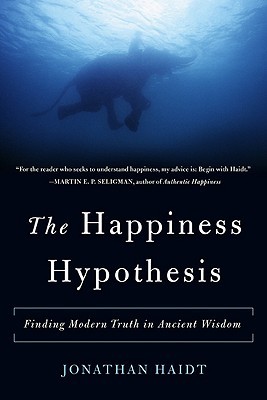
"The Happiness Hypothesis" (2006) - This book explores ancient wisdom and contemporary psychology, examining what leads to happiness and fulfillment.
"The Righteous Mind: Why Good People Are Divided by Politics and Religion" (2012) - In this work, Haidt explores the psychological bases of morality and how it can lead to political and ideological divisions. He argues for a better understanding of opposing viewpoints to foster dialogue and cooperation.
"The Coddling of the American Mind" (2018, co-authored with Greg Lukianoff) - This book addresses how certain cultural trends, particularly in education, may be stifling open discourse, resilience, and healthy debate among young people.
Haidt's research often emphasizes the importance of moral psychology, group dynamics, and the challenges of navigating ideological divides. He has been active in discussions about free speech, political polarization, and the role of social media in shaping public discourse. His work is well-regarded for its interdisciplinary approach, drawing from psychology, sociology, anthropology, and philosophy.
In "The Righteous Mind", psychologist Jonathan Haidt answers some of the most compelling questions about human relations...
The bestselling author of The Righteous Mind and The Coddling of the American Mind draws on philosophical wisdom and sci...