
James Joyce (1882-1941) was an Irish modernist writer best known for his groundbreaking works that revolutionized the narrative form in literature. His most famous works include:
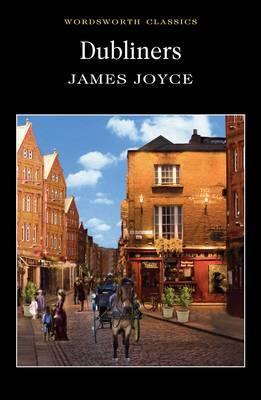
Dubliners (1914) - A collection of short stories portraying the everyday life of Dublin's middle class, filled with themes of paralysis and self-awareness.
A Portrait of the Artist as a Young Man (1916) - A semi-autobiographical novel that follows the development of Stephen Dedalus, a young man struggling with his identity and the constraints of society.
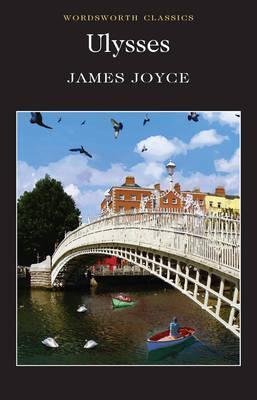
Ulysses (1922) - Often regarded as one of the greatest novels of the 20th century, "Ulysses" parallels the structure of Homer’s "Odyssey" and takes place over the course of a single day in Dublin (June 16, 1904). It explores the inner thoughts of its characters, particularly Leopold Bloom, in a stream-of-consciousness style.
Finnegans Wake (1939) - An experimental work known for its complex language, structure, and dream-like narrative. The novel defies conventional plot and character development, creating a unique reading experience.
Joyce's innovative use of stream-of-consciousness, intricate wordplay, and deep psychological insight has had a lasting impact on literature and influenced countless writers. Joyce's works often explore themes of identity, exile, and the intricacies of everyday life, making his exploration of human consciousness a central aspect of his legacy.
With a new Introduction by Cedric Watts, Research Professor of English, University of Sussex. James Joyce's astonishing...
Introduction and Notes by Laurence Davies, Dartmouth College, New Hampshire. Living oversea...