
Erich Fromm (1900–1980) was a German-born social psychologist, psychoanalyst, sociologist, humanistic philosopher, and author who became a prominent figure in the Frankfurt School of critical theory. He is best known for his works that explore the relationship between individual psychology and social structures, emphasizing the importance of freedom, love, and the human condition in a modern, increasingly alienated society.
Fromm's major concepts include:
Humanistic Psychoanalysis: Fromm emphasized the need to understand human behavior in a social context, arguing that psychological issues cannot be separated from societal factors.
Freedom and Security: He explored themes of freedom in his book Escape from Freedom, where he analyzed the psychological and social implications of individual freedom and the ways people may escape from it due to fear or anxiety.
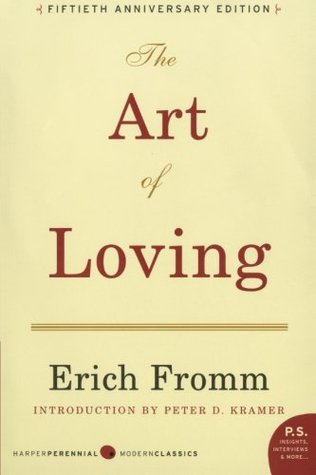
Love and Relationships: Fromm wrote extensively on the nature of love and interpersonal relationships. In his influential book The Art of Loving, he asserted that love is not just a feeling but an art that requires knowledge, effort, and practice.
Society and Alienation: Fromm was concerned with the impact of modern capitalist societies on individuals, which he believed led to alienation and disconnection from true self and community.
Character Types: He categorized various character types in his book The Anatomy of Human Destructiveness, where he examined how different character structures affect human behavior and social relations.
Fromm's work integrated ideas from psychology, sociology, philosophy, and theology, making him a key figure in interdisciplinary studies of human behavior and society. His insights continue to inspire discussions in psychology, philosophy, and social theory.
The fiftieth Anniversary Edition of the groundbreaking international bestseller that has shown millions of readers how t...
Since it was first published the Art of Loving has become a classic, inspiring thousands of people with its clarity and...