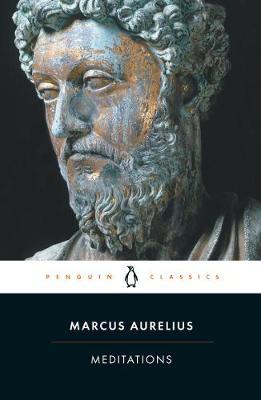

Marcus Aurelius (121–180 AD) was a Roman emperor from 161 to 180 AD and is best known as a Stoic philosopher. He is often referred to as the "Philosopher King" due to his commitment to philosophy and ethical governance. His reign is notable for the challenges Rome faced, including wars along the eastern and northern frontiers, and the Antonine Plague, which significantly affected the population and military.
One of his most enduring legacies is his work "Meditations," a series of personal writings and reflections on Stoic philosophy, ethics, and self-improvement. In these texts, Marcus Aurelius emphasizes the importance of rationality, virtue, and the acceptance of fate, offering guidance on how to lead a meaningful life.
Despite the difficulties during his reign, Marcus Aurelius is often remembered as a model of wisdom and virtue, embodying the principles of Stoicism in his leadership approach. His thoughts on duty, resilience, and the nature of the universe continue to resonate with readers today, making him a significant figure in both philosophical and historical contexts.
Originally written only for his personal consumption, Marcus Aurelius's Meditations has bec...
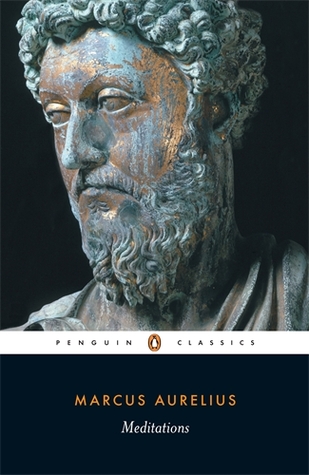
A leading translation of Stoic philosophy in wise and practical aphorisms that have inspired Bill Clinton, Ryan Holiday,...