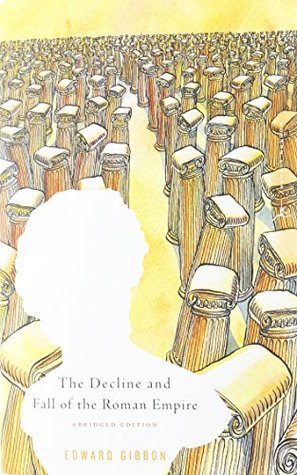

Edward Gibbon (1737–1794) was an English historian, primarily known for his work "The History of the Decline and Fall of the Roman Empire," which was published in six volumes between 1776 and 1788. Gibbon's narrative is notable for its rigorous methodology and critical approach, as well as its literary style.
In his work, Gibbon explores the factors that led to the fall of the Roman Empire, emphasizing the roles of military, political, economic, and religious issues, including the rise of Christianity. The thesis of his work suggests that internal decay, rather than external pressures alone, played a significant role in the empire's collapse.
Gibbon is also recognized for his reflections on historical interpretation and the importance of studying history to understand human civilization. His work has influenced not only historians but also writers and thinkers in various fields. Despite controversies regarding his views, particularly regarding Christianity, his historiography continues to be regarded as a monumental effort in the field of history.
In addition to his historical writings, Gibbon was involved in various public and literary pursuits, contributing to the intellectual landscape of the Enlightenment period.
Edited, abridged, and with a critical Foreword by Hans-Friedrich Mueller Introduction by Daniel J. Boorstin Illustration...