

Carl Sagan (1934–1996) was an American astronomer, astrophysicist, cosmologist, author, and science communicator. He is best known for his work in popularizing science and making complex scientific concepts accessible to the general public. Sagan played a significant role in various NASA missions, including the Mariner, Viking, Voyager, and Galileo missions, contributing to our understanding of the solar system.
He authored several influential books, including "Cosmos," which was also adapted into a widely watched television series in 1980. The series played a crucial role in sparking public interest in science and encouraged critical thinking about the universe and our place in it. Sagan was known for his eloquent prose, often emphasizing the importance of scientific inquiry and skepticism.
In addition to his scientific achievements, Sagan was a vocal advocate for the search for extraterrestrial life and was involved in initiatives like the SETI (Search for Extraterrestrial Intelligence) program. He also contributed to discussions about nuclear disarmament and the environmental challenges facing humanity.
Sagan received numerous awards throughout his career, including the Pulitzer Prize for his book "The Dragons of Eden." His legacy continues to influence scientists, educators, and enthusiasts in the fields of astronomy and science communication.
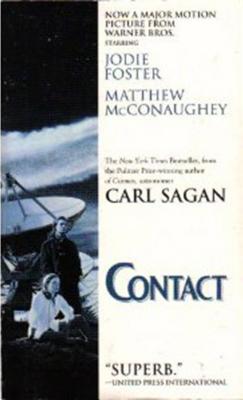
In December, 1999, a multinational team journeys out to the stars, to the most awesome encounter in human history. Who -...
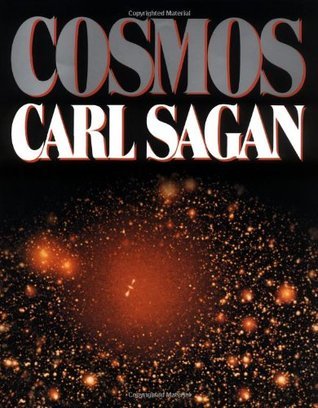
This book is about science in its broadest human context, how science and civilization grew up together. It is the story...
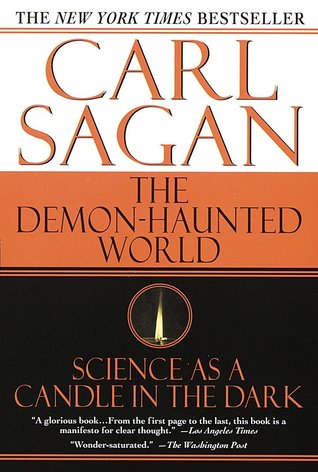
A prescient warning of a future we now inhabit, where fake news stories and Internet conspiracy theories play to a disaf...

In December, 1999, a multinational team journeys out to the stars, to the most awesome encounter in human history. Who -...