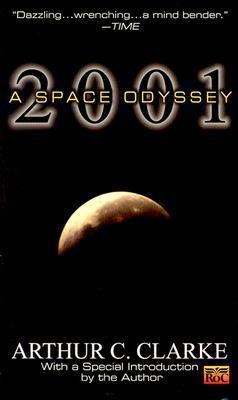

Arthur Charles Clarke (1917–2008) was a British science fiction writer, futurist, and inventor, best known for his profound influence on the genre of science fiction and for his visionary ideas about the future of humanity and technology. His most famous works include "2001: A Space Odyssey," which was developed concurrently with Stanley Kubrick's film of the same name, and "Rendezvous with Rama."
Clarke's writing often explored themes such as space exploration, advanced technology, and the potential for extraterrestrial life. His "Three Laws of Prediction," particularly the third law ("Any sufficiently advanced technology is indistinguishable from magic"), has had a lasting impact on speculative thought.
In addition to his fiction, Clarke was a proponent of space travel and contributed to the development of satellite communications. He lived in Sri Lanka for much of his later life, where he continued to write and engage in various scientific endeavors. Clarke's legacy endures through his extensive body of work and his influence on both literature and science.
The classic science fiction novel that captures and expands on the vision of Stanley Kubrick's immortal film--and change...
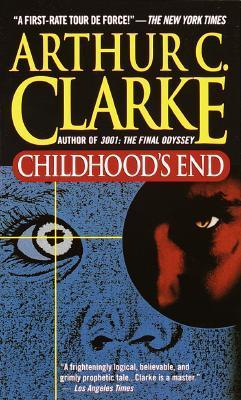
Men called them Overlords. They had come from outer space. They had brought peace and prosperity to Earth. But then the...